Healthcare and Biotech Careers Offer Strong Growth Paths for MBAs
Alumni at Sutter Health, Synthego and Oncodesign share how business leadership shapes patient care and scientific innovation

When MBA alumnus Rafael Salas made the leap from Oracle to Sutter Health, he didn’t just change employers—he landed in one of the most complex and rapidly evolving industries in the U.S. economy.
Healthcare and biotechnology now sit at the intersection of business strategy, regulation and innovation, creating high-impact career paths for MBAs who want to lead change while improving lives.
Healthcare management roles (a major destination for MBA grads) are projected to grow by an estimated 28–29% through 2032-33, far faster than average U.S. job growth. That translates into tens of thousands of annual openings in healthcare administration, management and executive leadership, according to the U.S. Bureau of Labor Statistics.
At the same time, biotech companies are increasingly seeking MBAs for strategic, cross-functional roles that bridge science and business. Positions in product management, commercial strategy and business development are especially in demand in innovation hubs such as San Francisco and San Diego, according to recent data from HealthCare Recruiters International.
Driving new innovations across these interconnected industries, UC Davis is on the forefront of game-changing life sciences and medical research as well as meeting the demand for top management talent.
MBA Alumni Pull the Curtain Back on Their Careers
At a recent Healthcare & Biotech Industry Panel hosted by the UC Davis Graduate School of Management’s Career Development team, three MBA alumni offered a candid look at what it really takes to build a career in healthcare and biotech.
The conversation centered on lived experience—navigating regulation, translating science into strategy and building momentum over time.
Meet the Panelists
- Rafael Salas MBA 16, finance manager at Sutter Health, supports financial operations for Sutter Senior Care PACE and contributes to strategic financial initiatives that align with value-based care and regulatory compliance for the Sacramento-based nonprofit health care system that serves more than 3.5 million Californians . A UC Davis Sacramento Part-Time MBA graduate with prior experience at Oracle, Salas is focused on building financially sustainable care models for aging populations.
- Teri Slack MBA 21 leads business development for Oncodesign Services, a European contract research organization (CRO) partnering with U.S. biotech firms. She holds a Ph.D. and earned her MBA from the Sacramento Part-Time program. She focuses on preclinical research, oncology and translating scientific innovation into market-ready solutions.
- Lory Tan MBA 10 works in commercial operations and enablement at Synthego, a Silicon Valley life sciences biotech company supporting gene editing and therapeutic development, including scalable solutions for CRISPR research, molecular biology and diagnostic workflows. She holds an undergraduate degree in genetics from UC Davis and graduated from the Bay Area Part-Time MBA program.
(click on each to learn more about the panelists)
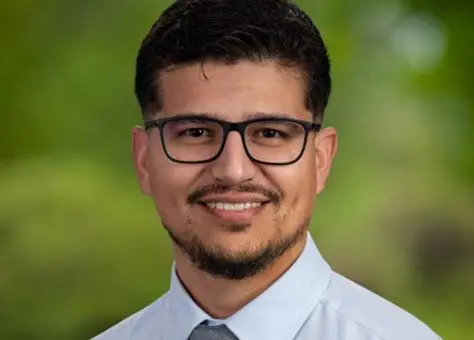
Rafael Salas MBA 16 supports financial operations for Sutter Senior Care PACE and advances strategic initiatives tied to value-based care as a finance manager at Sutter Health.
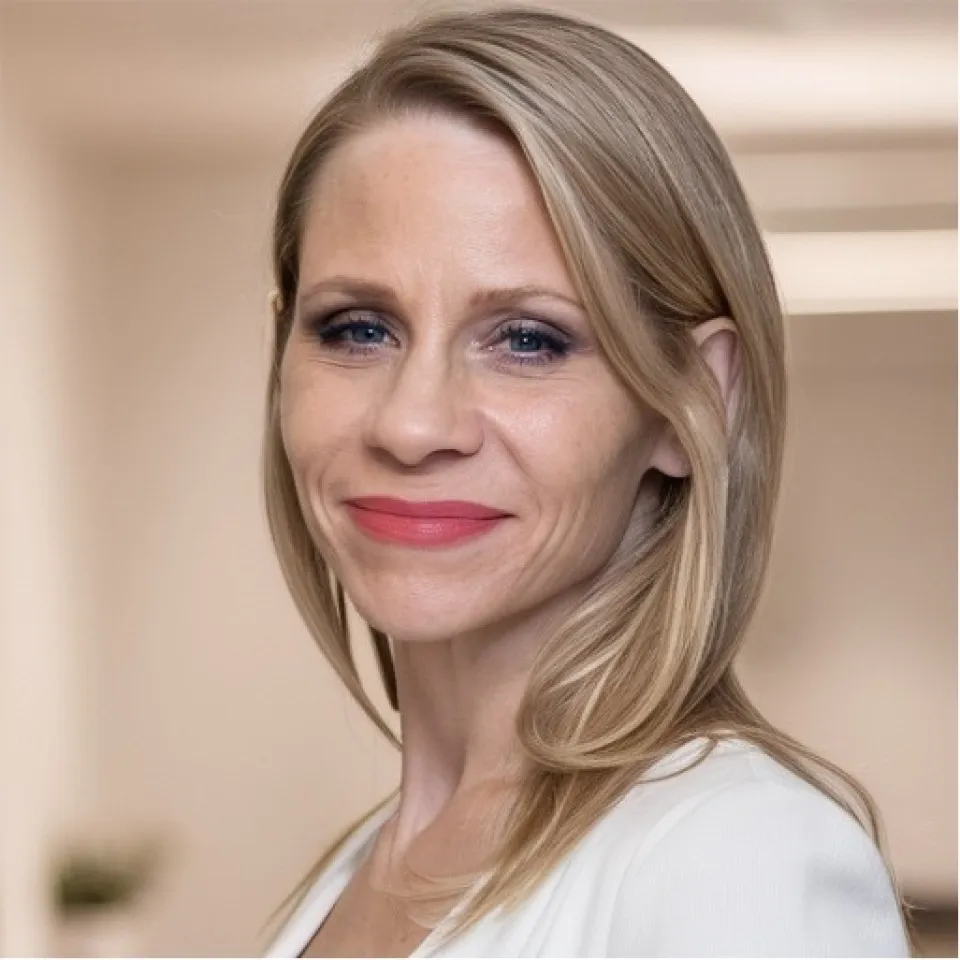
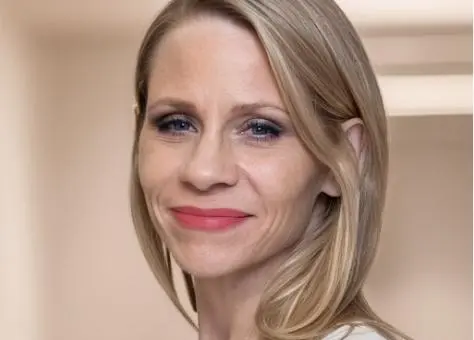
Teri Slack MBA 21 leads business development at Oncodesign Services, partnering with U.S. biotech firms to advance preclinical and oncology research.
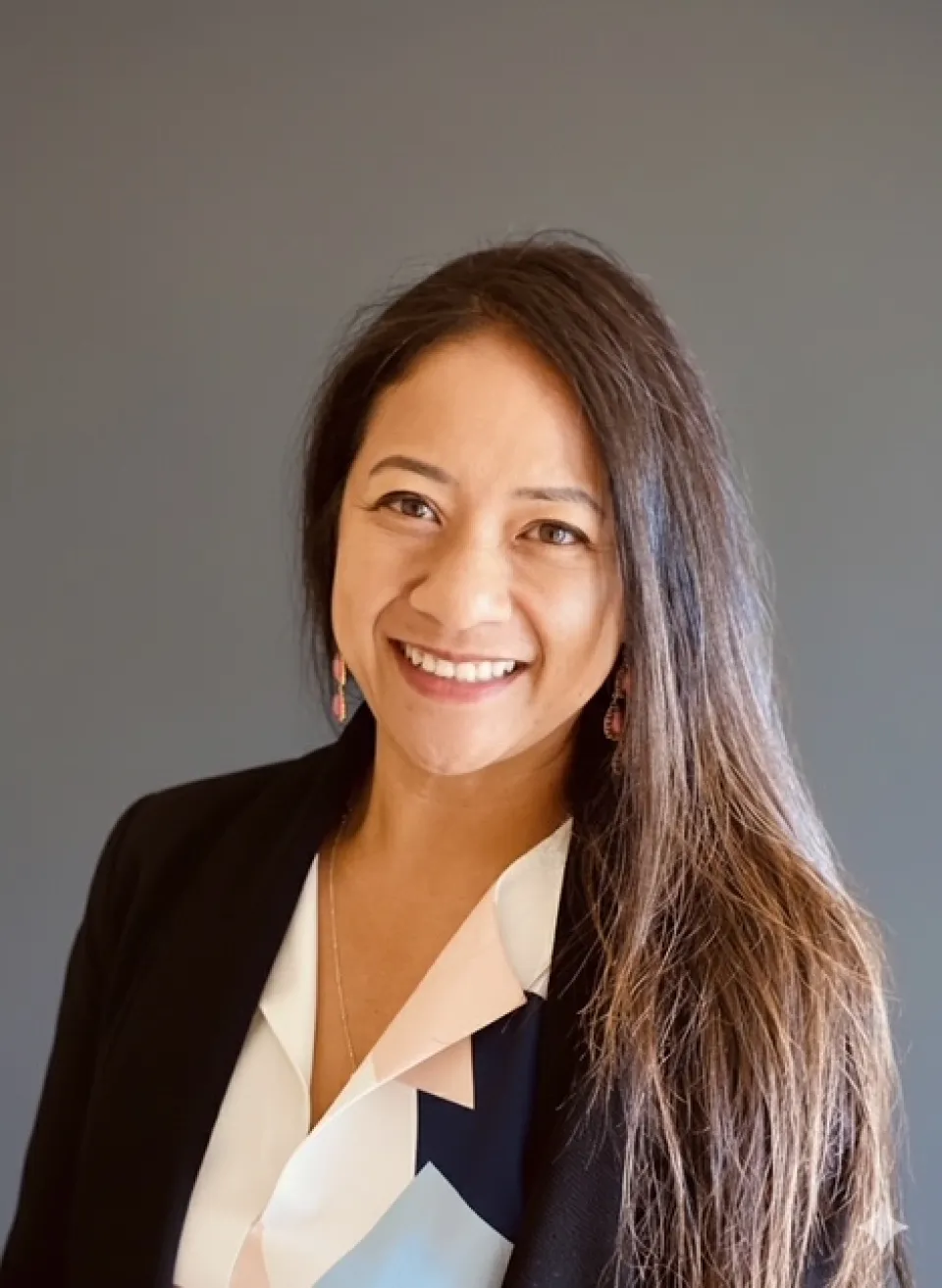
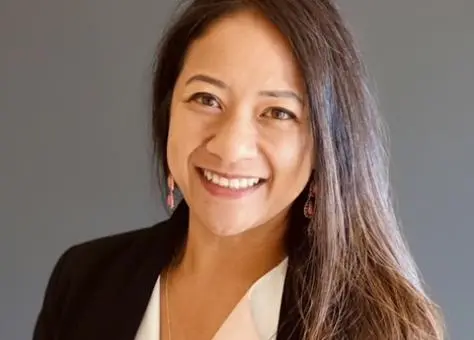
Lory Tan MBA 10 works in commercial operations and enablement at Synthego, a Silicon Valley life sciences biotech company supporting gene editing and therapeutic development.
MBA Skills in Action
Healthcare and biotech are dynamic industries, and the panelists emphasized that adaptability is now a core leadership skill.
Salas described how Sutter Health is navigating the shift from fee-for-service to value-based care, driven largely by Medicare policy and changing population needs. Implementing that shift at scale requires leaders who understand systems, incentives and financial trade-offs.
For leaders working inside large health systems, this often means weighing quality versus cost, innovation versus regulation, and short-term constraints versus long-term sustainability. Salas noted that these are not abstract concepts, but daily decision points that shape how care is delivered.
“My MBA equipped me to evaluate alternatives and outcomes with greater rigor, which matters in healthcare where quality, cost and regulation constantly intersect as care models evolve.”
— Rafael Salas MBA 16, Finance Manager, Sutter Health
From MBA to Biotech Leadership
In biotech, Slack highlighted a different kind of transformation reshaping the industry: a move away from traditional animal testing toward more predictive, human-relevant research models. These changes are being driven by ethical considerations, regulatory pressure and the need for better translational outcomes.
For business leaders, this shift requires more than technical awareness. It demands the ability to assess risk, evaluate emerging technologies and make decisions that balance innovation with feasibility—often with incomplete data and high stakes.
“What I use most from my MBA is the ability to translate complex science into clear business decisions, a critical skill in biotech where the stakes are high and the data is complex.”
– Teri Slack, Director of Business Development, Oncodesign Services
Accelerating Biotech Innovations to Market
Tan added a regulatory lens, pointing to the FDA’s central role in drug approvals and the impact federal funding and regulatory clarity have on innovation, particularly in cell and gene therapy. Even breakthrough science can stall without a clear commercialization and regulatory strategy.
Her perspective underscored a recurring theme across the panel: success in biotech often depends on what happens outside the lab. Business leaders must understand how regulation, funding and market dynamics shape whether innovation ever reaches patients.
“You can have incredible science, but without the right business strategy and regulatory understanding, it won’t make it to market—that’s where MBA training becomes incredibly valuable.”
– Lory Tan, Senior Director of Commercial Enablement and RevOps, Synthego
Why Hands-On Experience Matters in Biotech and Healthcare
When the conversation turned to career paths, the alumni panelists were direct about how MBA skills show up on the job. Healthcare and biotech reward leaders who combine business acumen with scientific curiosity and long-term thinking.
Experiential learning opportunities such as the UC Davis Biotechnology Industry Immersion help students build industry fluency, confidence and early-career momentum. The professionals who advance fastest are those who can connect teams, data and strategy while navigating the regulatory, ethical and financial trade-offs that define these mission-driven industries.
Related content
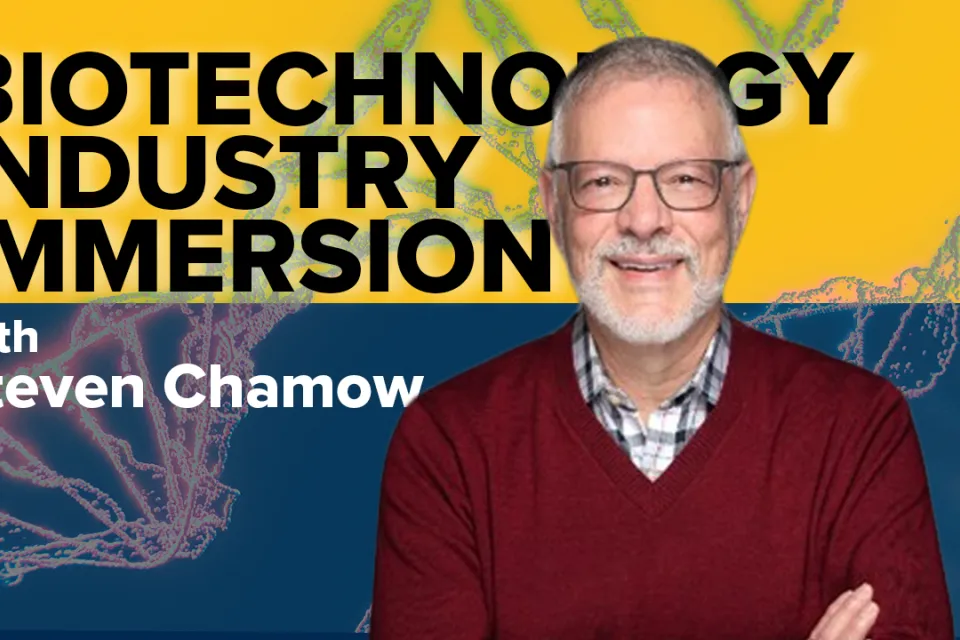
Biotechnology Industry Immersion Partners with Industry Leaders to Form Advisory Board
Meet UC Davis alumnus Steven Chamow, Advisory Board Chair
Getting Down to Business: Pursuing My Biotech Passion with an MBA
Collaborative environment and Industry Immersion pave the way
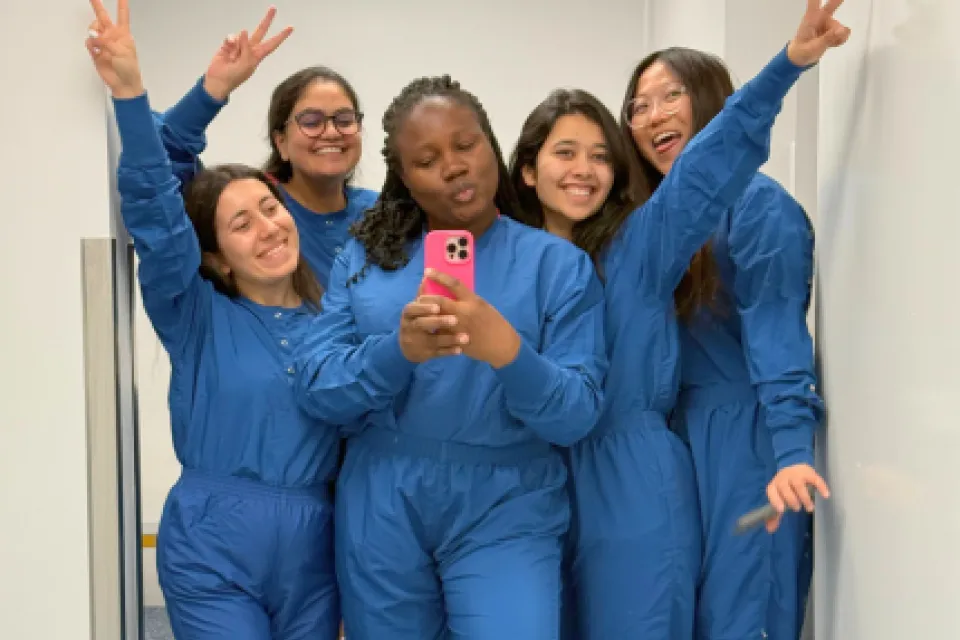
Exploring Bay Area Biotech: Site Visits to Genentech, BioMarin, Beckman Coulter and Novonesis
Inside the UC Davis MBA Biotechnology Industry Immersion Program