Alumni Video Spotlight: Joncarlo Mark MBA 00
Founder of Upwelling Capital Group
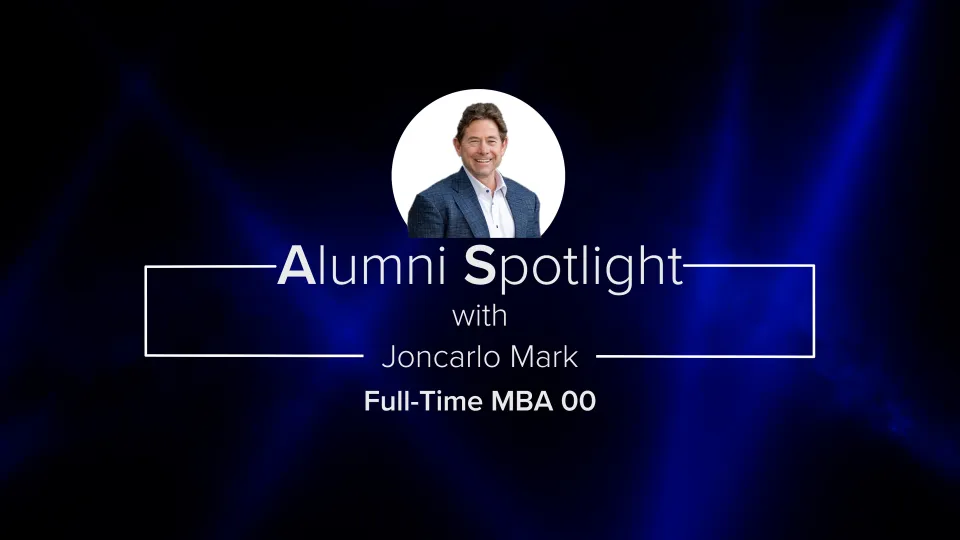
For alumnus Joncarlo Mark, leadership is about bringing together people with different perspectives to achieve a common goal.
As founder and managing member of Upwelling Capital Group, Mark has built a boutique investment advisory firm known for its high-touch approach to serving institutional investors.
He has remained closely connected to the UC Davis Graduate School of Management by mentoring students, hiring graduates and supporting the school's mission.
In our Alumni Spotlight video series, Mark shares his perspective on collaborative leadership, growing a business, the lessons that shaped his career and the skills future business leaders will need in an AI-driven world.
Video Transcript
My name is Joncarlo Mark, I’m GSM class of 2000. I work at a firm that I founded called Upwelling Capital Group, and my favorite food has got to be Mexican food.
What does collaborative leadership mean to you?
Collaborative leadership, in my mind, is recognizing that leadership is about knowing what you can do best and where others can help you and augment your skill set. In any company it can't be done by one person.
By working together with people that fill different roles is essential for building a great enterprise, whether it's a business or a nonprofit or a university. So, it's really, really important to surround yourself with people who bring different views, different perspectives, different skills and that's how you achieve success.
How do you collaborate at work to make an impact?
Every day there's a lot going on, so you have to be pretty organized and give people defined roles. I think that's a really critical thing. We have a small team, we wear lots of hats, but people know what areas that they're focused on. And I think you have to give people the opportunity to own certain processes or certain responsibilities.
And in that it's not just people going off and working on things in their own little world, but it's about they have a leadership role. They bring it back to the broader team. It's important to solicit input and feedback. It's about collaborating, but giving people ownership of certain tasks and responsibilities. And I think, again, that's how you maximize the value of your team.
What are the highlights of your career the last few years?
Being able to go after a new market and surrounding myself with people that share that vision, I think is critical. So being able to demonstrate that we can do this successfully on behalf of a broad range of institutional investors is allowing us to have repeat business in certain cases, build a brand and a level of expertise that's widely recognized in the industry.
What are the biggest challenges in your industry?
Whenever you're a small firm, you've got to go up against larger groups who have lots of resources. How we succeed in that environment is we demonstrate our high-level, high-touch approach to any project that we take on.
I think smart clients recognize the capability that they get and the attention they get from working with the boutique investment advisor. And I think that proves out to generate and deliver the most value to them.
What GSM professor had the biggest impact on you and why?
Very early on, I took a class called Power and Influence. The professor named Bob Lorber, who I still see around, and what I liked about that class is I was one of only a couple of first-years in that class, so A, it was great because it was kind of a Socratic style of teaching.
We talked about leadership, and it actually helped me really develop expertise and thoughtfulness around what does it mean to be a great leader and how do you influence others, which I think is a critical component of being a great manager in life.
What are you seeing that future business graduates should know as they start their careers?
I think the graduate degree is evolving a lot. I think it's an opportunity for people to develop skills that they may not have had. It's evolving very quickly, which means that one's ability to come in and provide feedback and help guide the curriculum I think is important.
Particularly now with the impact of AI and the skills that students need to have and they're developing right now. And I know the GSM is rapidly engaging in how do we educate our students and getting them prepared to be able to deliver these kind of new technologies, on top of the hard skills in finance and marketing that they need to have, such that they're a real value to the working world, to the corporate community, or if they want to do something entrepreneurial or be in the nonprofit world.
Related content

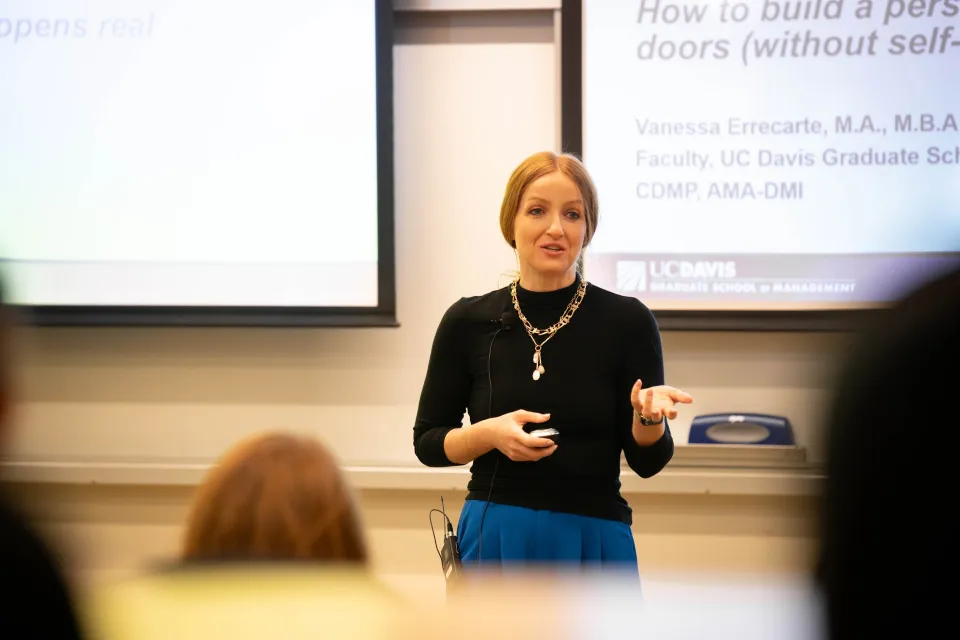
Everyone Says Personal Branding Is About You. Everyone Is Wrong.
How I teach promotion-free personal branding at UC Davis—and why it’s the most important career skill in the age of AI

The Startup Treadmill Is Broken for Deep-Tech Companies
Why science-based startups need a different model