From Leading Soldiers to Building a Business
How my UC Davis MBA expanded my leadership toolkit
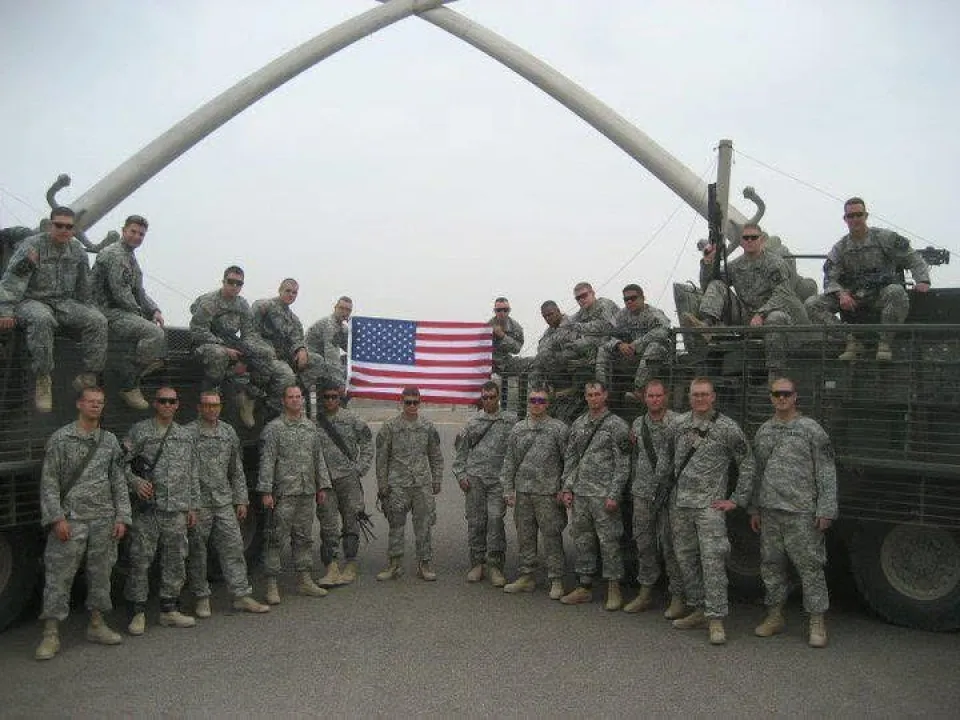
In 2012, I was a staff sergeant leading a squad in Panjawai, Afghanistan. During a mountain patrol, we lost communications with our base, and one of my soldiers slipped near a ridgeline. I adjusted our route and movement to get him down safely.
The lesson extended beyond that patrol: I needed to prepare my soldiers before the next emergency. We strengthened our focus on mountain safety, proper equipment and backup communications.
Today, I co-own WilsonTech, a fleet maintenance and repair business, with my brother, Kyle. Preparing people to solve problems remains central to my work. But moving from military leadership to business ownership required tools I developed at the UC Davis Graduate School of Management.
Finding a New Direction Beyond Military Leadership
I arrived at GSM with experience leading soldiers in Iraq and Afghanistan. Candidly, I did not expect to learn much about leadership.
What I underestimated was how different authority, incentives and communication work in civilian organizations. I could not simply carry over the approach that had worked in the Army.
I initially thought an MBA and military experience would be a golden ticket into corporate leadership. A finance internship at Intel in summer 2023, between my first and second years, challenged that assumption.
I was accustomed to meetings that led quickly to missions and action. Corporate decision-making felt different, and I realized that the path I had imagined was not what I wanted. I shifted my focus toward entrepreneurship, marketing and building a business.
Applying Classroom Lessons to Real Business Decisions
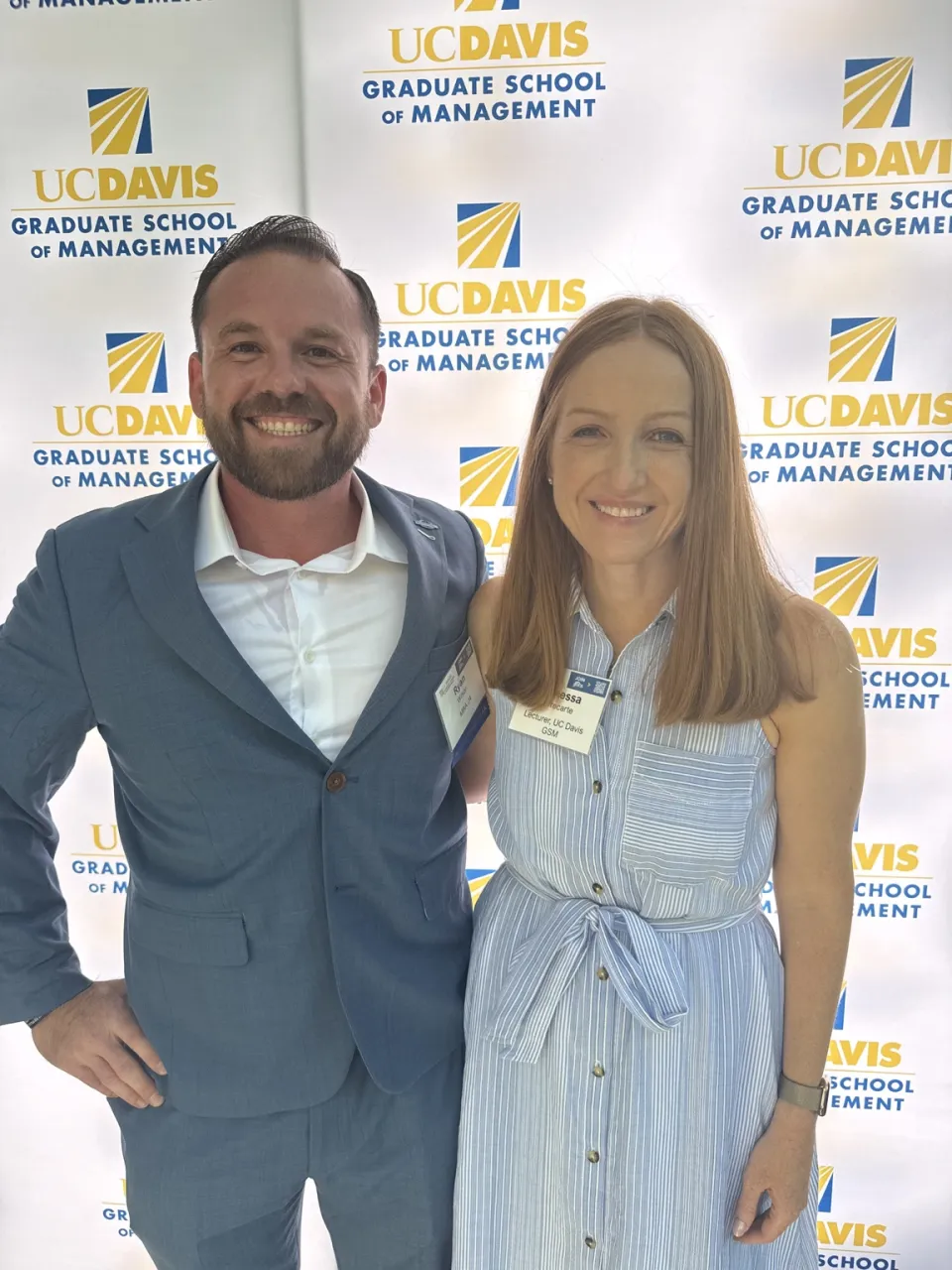
Lecturer Vanessa Errecarte’s Personal Branding course pushed me to communicate the value of my work. I disliked talking about myself and resisted an assignment requiring us to write publicly about our accomplishments. Vanessa noticed and encouraged me to do it.
I learned that people cannot recognize the value you create if they never hear about it. Sharing what WilsonTech and I are doing has helped generate relationships, customers and opportunities.
My Capstone Project challenged how I worked with others. When our team struggled with strategy and direction, I could not rely on rank or command authority. I had to listen, influence and build agreement among peers.
In my negotiations course, the connection to WilsonTech was immediate. I brought a pending 10-year lease into class and used the feedback to negotiate better rental terms. A classroom discussion became a tool for an actual business decision.
WilsonTech gave me opportunities to keep applying those lessons. Before we acquired the company, annual revenue was roughly $900,000. In our first year, we reached approximately $1.875 million, followed by about $1.95 million in our second.
Not every decision worked. In 2025, I spent nearly $19,000, excluding labor, sponsoring and marketing WilsonTech at the Capital Airshow. I expected the connection between our veteran-owned business and the event to attract customers. It did not, and the investment disrupted cash flow for months.
Knowing how to calculate return on investment was only part of the equation. I also needed to understand whether that audience needed our services and whether the channel could reach likely customers.
Developing People Who Can Lead Without Me
My most meaningful leadership test came when personal circumstances required me to step away from WilsonTech for nearly 10 months.
Kyle was an exceptional technician, but he had never managed people before we purchased the company. I spent countless afternoons coaching him on management, business and leadership.
When I stepped away, he led. Revenue increased by roughly $75,000 over the prior year.
That changed how I measure leadership. The Army taught me to accomplish the mission. My UC Davis MBA taught me to lead through influence. Building a business taught me to develop people who succeed without me.
I still want to scale WilsonTech, and I am increasingly drawn to advising and developing future leaders and business owners.
Bringing Experience and Staying Open to Growth
For veterans considering an MBA, bring your experience, but stay open to what a new environment can teach you.
That invitation extends to anyone considering GSM, whether you want to change careers, grow within an organization or build a business. Come ready to contribute what you know and question what you assume.
From Afghanistan to the classroom to WilsonTech’s shop floor, my responsibility has remained similar: Prepare people well, trust them with responsibility and leave them more capable than when you found them.
Related content

Bridging Military Service and Google Strategy Through an MBA
Air Force veteran shares MBA and Google time-management tips

UC Davis Graduate School of Management Recognized as Top 5 Military Friendly® School
Four consecutive years honored for supporting military students and families

After a Decade at Sea, Intel Internship Opens New Opportunities
My pivot from Navy Reserve to the world of Big Tech