From Burnout to Breakthrough: Rebuild Your Career and Confidence with an MBA
Turning exhaustion into alignment and professional growth

Adding more work when you’re burned out, or on the verge of burning out, can feel counterintuitive. Yet, as I’ve shared in my two most recent conference presentations, burnout isn’t about capacity. It’s about misalignment.
Five years ago, I felt like I was wandering in circles—pouring time, energy and effort into work that led nowhere except toward exhaustion. At the time, I knew I was living with depression. What I didn’t recognize yet was that I was also burned out.
Understanding Burnout: “Meh Melissa” and Misalignment
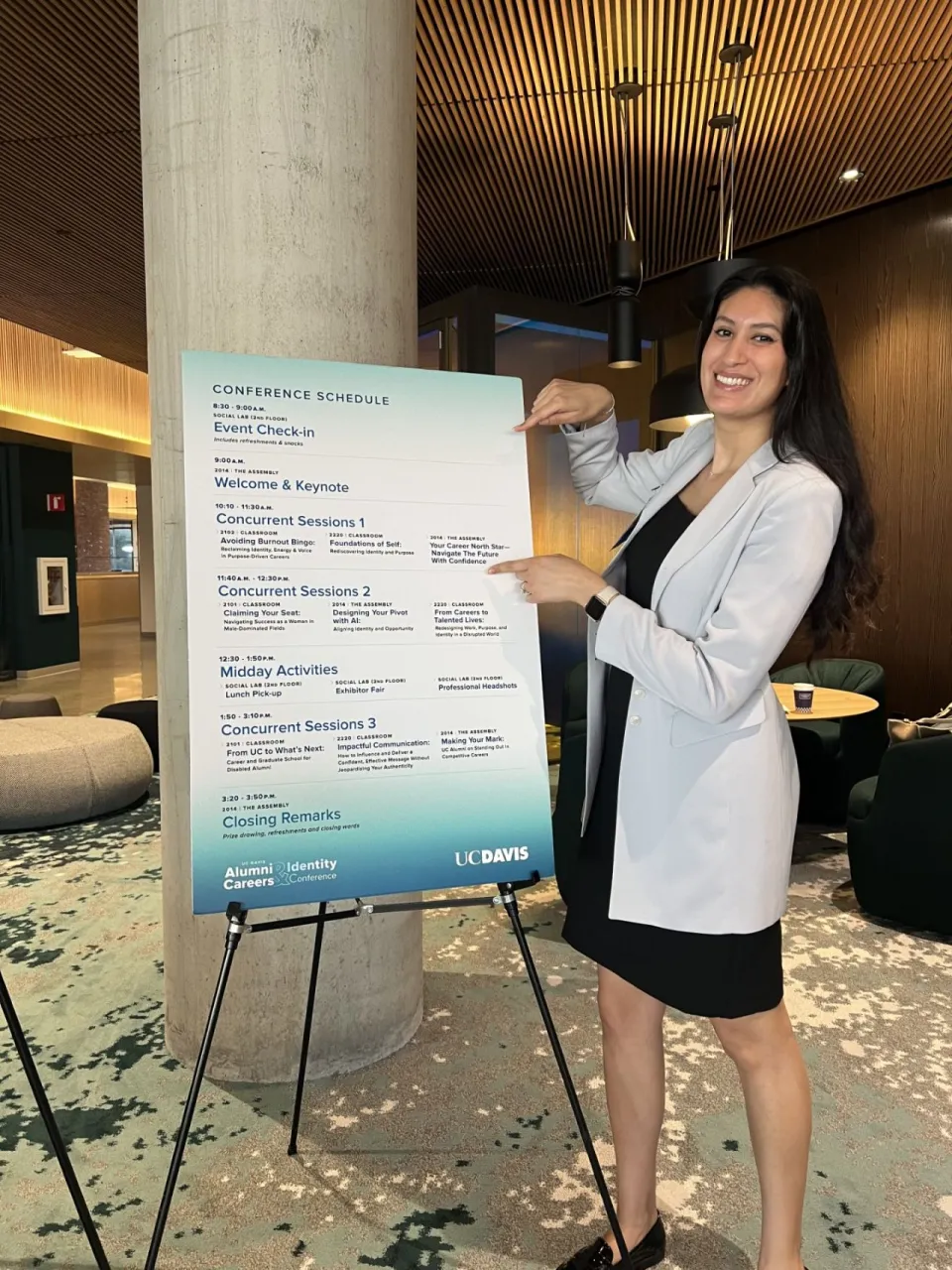
At the UC Davis Alumni & Identity Conference and the UC Davis ADMAN Conference, I’ve taught that there are three different types of burnout. What I was experiencing mostly fell into the third category—the one I call “Meh Melissa.”
“Meh Melissa” is the burnout that comes from being under-challenged. It’s the feeling of circling like a vulture, waiting for something to happen, slowly disengaging from work that no longer stretches or reflects who you are becoming.
For me, this showed up as misalignment. My workload kept growing year after year, but it was the wrong kind of work: work that didn’t align with my values, my curiosity or my long-term vision for myself. On paper, I was busy. Internally, I was disconnected.
The Turning Point: Choosing an MBA
As a first-generation student filled with doubt, it took me six years to seriously consider applying to graduate school. I kept adding new projects and responsibilities to my career, partly because they challenged me at first, but also because they distracted me from a lifelong dream of earning a master’s degree. When opportunities began to plateau, I found myself questioning how linear my path was really supposed to be.
I entered the Sacramento Part-Time MBA program with a clear enough goal, convinced I knew exactly what I needed next. By the end of my first year, that clarity had shifted, both professionally and personally. And that shift turned out to be the point.
Rediscovering Energy and Curiosity
Even while navigating mental health challenges, the MBA gave me something unexpected: Energy.
For someone who usually plays it safe, the uncertainty ahead felt therapeutic rather than scary. I didn’t just feel capable again, I felt curious. The woman staring back at me in the mirror looked different—not because I didn’t recognize her, but because I saw the child version of myself who loved to learn.
Experiencing Belonging in the MBA Community
Against every stereotype of burnout, I leaned in. I served as vice president of the GSM Student Association Sacramento, became a student ambassador, participated in the Collaborative Leadership Program, explored summer study abroad and completed two internships—communications lead for the Emerge Summit and marketing and communications intern at Jobtrees.com. I was rebuilding more than momentum; it was confidence.
But the most transformative part wasn’t the resume lines. It was belonging.
What made this the right MBA wasn’t the coursework alone—it was the culture.
I was surrounded by people who were driven yet deeply humane: Peers who pushed themselves while also seeing each other as whole people, not competition.
Belonging looked like late‑night check‑ins after long weeks, group messages celebrating small wins and classmates who noticed when someone went quiet and reached out anyway. They reminded me of my power on days when I spiraled, and they have since become lifelong friends, the same people who will stand beside me at my wedding this fall.
What I didn’t realize at the time was that this sense of belonging was also a protective factor against burnout. Community helped me distinguish between when to push and when to pause, when to say yes to growth and when to honor rest. Belonging didn’t eliminate burnout, but it gave me both the people and the tools to navigate it sustainably.
That sense of belonging extended beyond classmates. Faculty and staff were an unexpected yet essential part of that ecosystem. I built a relationship with our career adviser at the time and our program manager, who consistently checked in—not just on my performance, but on me.
When I voiced interest in pivoting into marketing, they didn’t hand me a one-size-fits-all suggestion. They shared job postings, sent industry articles, made introductions and helped me break an overwhelming process into manageable baby steps. And on the days I felt like breaking down, they reminded me how much I had already built.
Personal Branding as a Catalyst
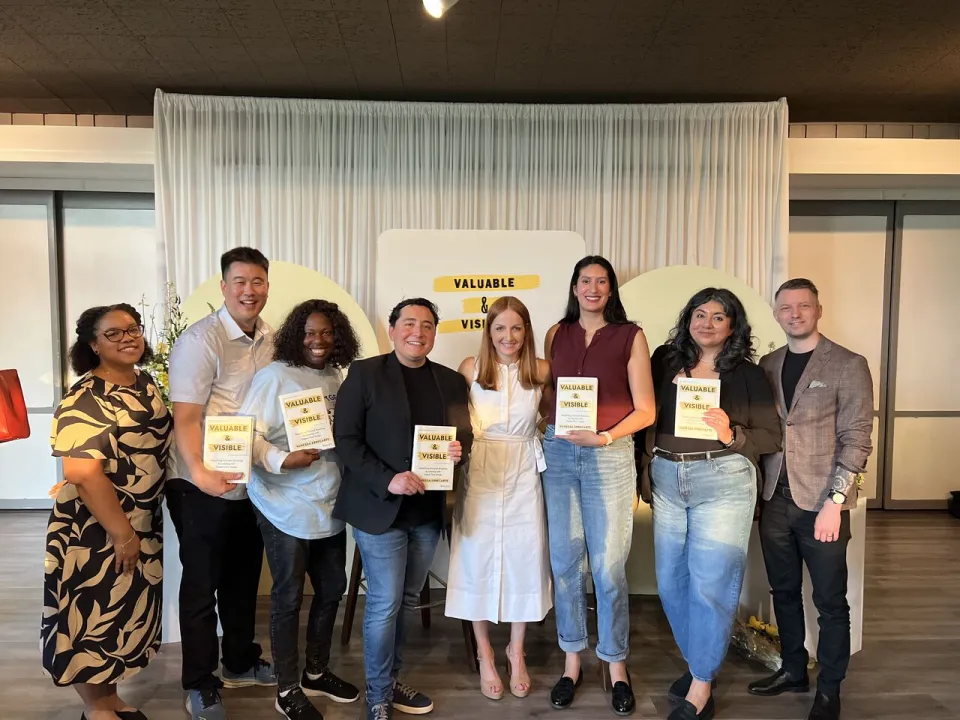
In my second year, I took the personal branding course taught by fellow GSM lecturer, alumna and author Vanessa Errecarte. That class changed my life. It gave language and clarity to things I had felt but couldn’t yet articulate about my identity, purpose and visibility. It became the foundation for what is now Leticia Living in Color, my platform centered on navigating mental health, career pivots and self-alignment without erasing parts of yourself to succeed. Most importantly, it gave me something I didn’t yet have—courage.
Applying Lessons Beyond Graduation
That courage followed me after graduation. I’ve since led two interactive presentations on burnout and misalignment, where I unpack how burnout isn’t just about doing too much, but about doing work that pulls you further from yourself. Standing in front of those audiences (one had 227 people!), I realized I wasn’t just sharing a vulnerable personal story, I was also offering language and permission to people who felt stuck, exhausted or quietly disconnected in their own careers. Essentially, the skills in personal branding helped me turn what felt like a weakness into a strength that I can use to scale up in my professional development too.
Living in Color: Alignment Over Productivity
Living in color, for me, means building a life and career that reflects alignment, not just productivity. It’s like when a prism catches the light at just the right angle and suddenly reveals a rainbow—you can’t help but be in awe. It means honoring creativity alongside ambition, boundaries alongside growth, and rest alongside excellence. Above all, it means aligning your life so you can see that rainbow that makes your life more vibrant.
There is no perfect roadmap for burnout recovery or prevention. But proactive practices matter: setting boundaries, being intentional with your time, and regularly reflecting so you can discern which opportunities are true “yeses” (even when they’re hard), which are “not now,” and which are “not anymore.” Letting go of the last category can be the hardest yet the most liberating.
Rebuilding Career and Self
I came into the MBA hoping to break free from routine, burnout and self-doubt. What I didn’t expect was to also break free from my own assumptions about what my path had to look like or what work-life balance could be. As my time became more precious in the program, boundaries, community and strategic intention became non-negotiable pillars in how I operate as a professional. After graduate school, my career took a few unexpected turns.
But as I continue rebuilding, I carry with me the lessons, language and relationships shaped during my MBA. The MBA didn’t just help me rebuild my career—it helped me rebuild my relationship with work, with others and with myself. Today, I feel equipped to build a career aligned with my values and sense of self, without sacrificing my health to get there.
That’s what moving from burnout to belonging looks like for me. And that lesson, like living in color, is priceless.

Leticia Garay shares her journey of mental health recovery, self-love, and authenticity, inspiring women to embrace their struggles and rediscover vibrant living on her personal blog, Leticia Living in Color.
Related content
Avoiding Burnout Bingo: Reclaiming Identity, Energy and Voice in Purpose-Driven Careers
Sharing our stories builds trust, leading to game-changing conversations
First Steps to Becoming a First-Generation Graduate Student
Putting the Represented in Underrepresented

Join an In-Person Tour of Our Sacramento Part-Time MBA and MM Campus
Tips and advice from our admissions expert