From Physician to MBA Student: A Midlife Opportunity to Change Medicine
Turning clinical insights into lasting change
It has been 23 years since I graduated from college.
If you had asked my younger self whether I would ever consider getting an MBA, I would have emphatically said, “No!”
My interests have always been pediatric orthopedic surgery, particularly neuromuscular conditions such as cerebral palsy, and genetics. Over the years, I considered pursuing a PhD in molecular genetics or an MPH to strengthen my skills in statistics and advocacy, but an MBA never crossed my mind.
I thought MBAs were for people who wanted to run businesses or become entrepreneurs. That felt far from what I wanted to do: Improve patient care and help find better treatments—and someday cures—for musculoskeletal conditions.
Discovering the Business Skills Behind Better Care
My perspective began to change three years ago when I became chief value officer for the Department of Orthopaedic Surgery at UC Davis. In this role, I work to improve the safety, quality and value of orthopedic care.
This includes reviewing quality metrics, literature, identifying areas for improvement and executing programs. Around the same time, our department lost its data analyst. To understand our performance and make meaningful changes, I needed to learn how to obtain, analyze and communicate data myself.
Our teams have accomplished a lot despite my lack of formal training in these areas. We have reduced urinary tract infections, decreased unnecessary opioid exposure in children, and implemented functional bracing for young children with femur fractures, saving time, resources and money while improving patient care.
I am proud of what we have accomplished, but the process has also made my own limitations very apparent. I spend a tremendous amount of time wrestling with data, figuring out how to demonstrate an idea's financial impact, communicating to different groups and trying to turn our data into a plan. I realized these skills are essential to the work I want to do, and an MBA at UC Davis, with its focus on STEM and data analytics, is the way to get there.
Strengthening My Voice as a Patient Advocate
My patients have made that realization even more important. I care for children and adults whose voices are not always heard. Sometimes that is literal, because their condition limits their ability to communicate.
Other times it is because their diseases are rare, their needs are complex and their care is expensive. I have become increasingly frustrated when decisions about their care are reduced to the upfront cost rather than the holistic picture of the patient and family: improved function, fewer complications, less caregiver burden, greater independence, better quality of life and potentially less healthcare utilization in the future.
I see similar problems when systemic barriers delay care for children with more common problems, such as fractures or infections.
Now I appreciate that understanding finance and healthcare operations can strengthen my advocacy for patients. Every day in clinic, I encounter an unnecessary financial barrier and say, "And THAT is why I am getting my MBA!"
Turning Research into Everyday Patient Care
The same is true of research. We spend enormous amounts of time and money figuring out what works, yet evidence-based practices can still take years to become routine clinical care. Generating good evidence is only the first step, but someone must figure out how to implement it at their institution, get people to change their routine, finance it, measure whether it worked and make the change last. A great idea that never makes it into practice does little to improve patient care.
For my career, I want stronger skills in data analytics, finance, operations, communication and leadership so that I can take good ideas and turn them into meaningful, sustainable change for our patients, especially those who need it the most.
I want to build stronger quality-improvement programs at UC Davis and eventually develop a curriculum for our residents that combines evidence-based medicine, data analytics, value and effective communication. I want our trainees to leave UC Davis understanding that improving the system around their patients is also part of being a physician.
A Midlife Opportunity to Make a Difference
I am pursuing an MBA because I want to become better at changing medicine and learn to use business as a tool to serve our patients, rather than allowing patients to become secondary to the business of healthcare.
Already through the summer Lean Six Sigma Green Belt course and the first days of class, I have applied principles and frameworks to improve patient access and departmental quality reviews. Some might call returning to school at this stage of my life a mid-life crisis. I prefer to think of it as a mid-life opportunity: a chance to learn an entirely new language, challenge some of my assumptions and gain the skills to make a larger, more lasting impact on my patients, UC Davis and healthcare.
I hope my perspective and "grey hairs of wisdom" will also add to the rich classroom environment. I am excited for what comes next!
Related content
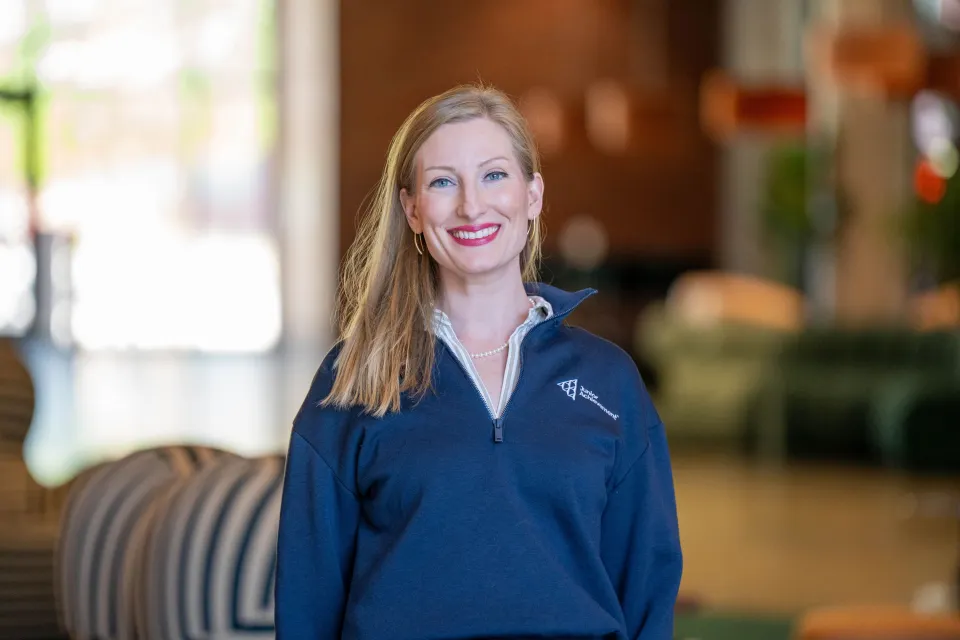
Alumni Video Spotlight: Jaimie Asakawa MBA 24
Marketing & Strategic Partnerships Director of Junior Achievement of Sacramento

Why Sacramento and UC Davis Are Emerging as Leaders in Healthcare Entrepreneurship
Healthcare innovation at Aggie Square focuses on people and access

Healthcare and Biotech Careers Offer Strong Growth Paths for MBAs
Alumni at Sutter Health, Synthego and Oncodesign share how business leadership shapes patient care and scientific innovation